Tuesday, May 10, 2011

A Month of Meals

Here are the meals that we made in May, 2011.

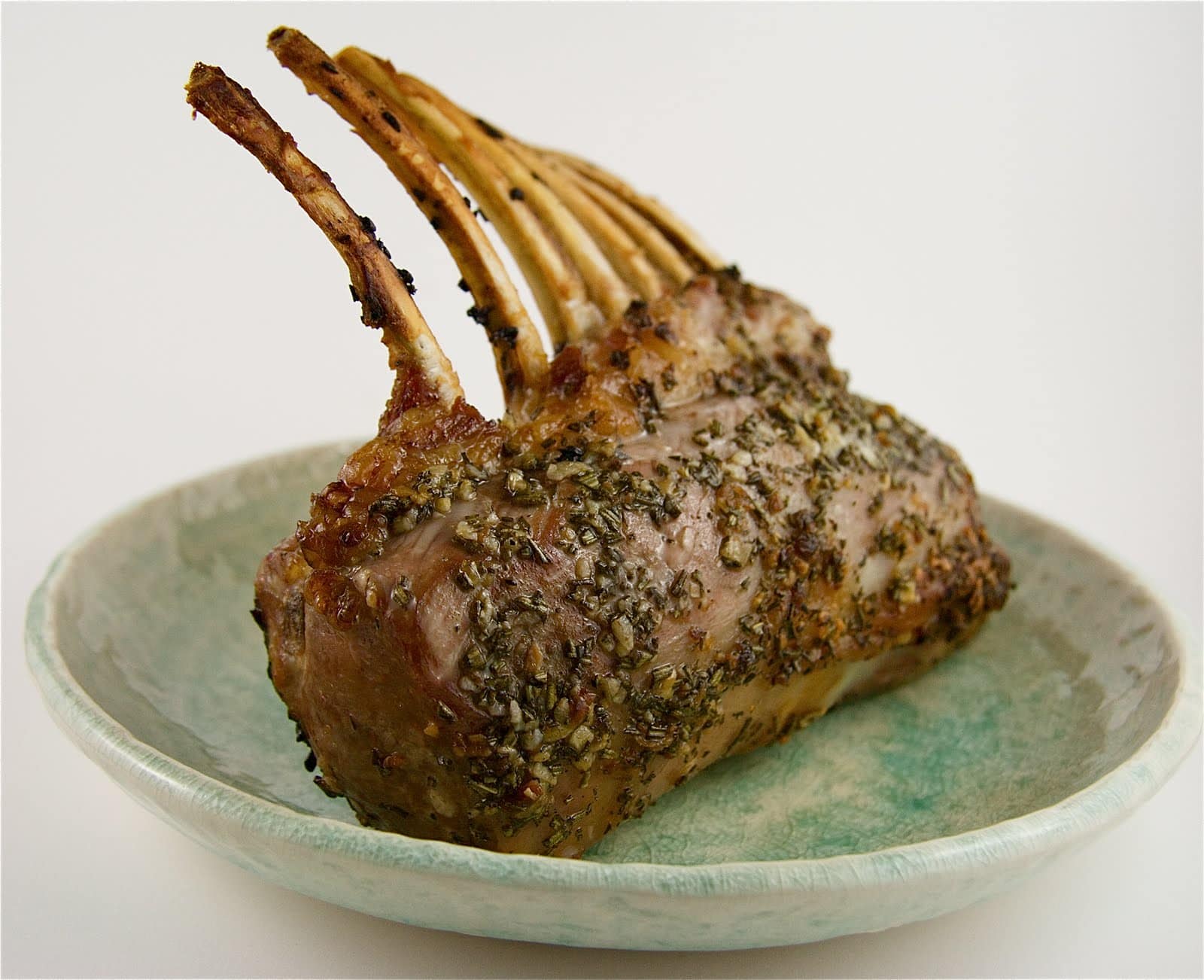
We had fish/seafood 7 times, poultry 5 times, beef 5 times (counting chili once), lamb twice, pork twice (counting split pea soup), and sausage once.

We had a lot of asparagus, but it was spring. I think we need to eat more quinoa.


Enhanced by Zemanta

Wednesday, April 13, 2011

Moors & Christians

I make a lot of these one-pot rice dishes. The recipe is basically the same for all of them and they are endlessly variable. I don't always add a legume, but it is a nice addition. I like lentils in particular. The black beans in this one makes it "Moors & Christians."

Start to finish is half an hour.
  • Chop a bell pepper, a couple celery sticks, and an onion. A red or orange pepper provides nice color contrast, but green works just as well. this is the "Cajun Trinity" and is a variation on the classic mirepoix, which uses carrots instead of peppers. The volume ratio should be 1:1:2 - twice the onions since they wilt.
  • Saute in butter and/or olive oil in a sauce pan. Or, fry up a little bacon d saute in that. Or maybe some sausage.
  • Add a cup of rice and saute a couple more minutes until the rice browns a little.
  • Drain a can of black beans, reserving the liquid. Add to pot and mix. Maybe mix in some chilies or garlic.
  • Add two cups of stock (or water), including the reserved bean juice, to pot. Bring to boil and simmer, covered, for 15 minutes. Or you could stick it in a 350F oven for thirty minutes.
  • Turn off heat and let rest for about 10 minutes.
At various stages you can add meat products. Smoked sausage, browned chicken thighs at the beginning, leftovers - whatever you happen to have.
Enhanced by Zemanta

Tuesday, February 8, 2011

Scotch Eggs

We made Scotch Eggs for the first time. I adapted a recipe from the New York Times, and they turned out great.


  1. Crush some garlic, mix with salt and prepared horseradish
  2. Mix with bulk sausage (we use Italian), 1/4 lb per egg
  3. Dredge hard boiled eggs in flour
  4. Wrap sausage around eggs
  5. dredge in flour
  6. Dredge in a beaten egg
  7. Roll in Panko bread crumbs
  8. Fry in 350F oil for 4 minutes per side
  9. Cool, slice in half, and eat
Enhanced by Zemanta

Monday, November 16, 2009

Tenderloin

Beef tenderloinImage via Wikipedia

I made the beef tenderloin is a salt crust twice now. Both times it turned out great. The crust need about a half cup more water and it never quite turned out like Alton Brown’s did, but it is a great way to cook a tenderloin.

Make sure that you have a meat probe. You do not want to over cook it. 125F with a thirty minute resting time works perfect.

Tenderloing is surprisingly inexpensive. We always go to our local butcher shop (Bunzel’s on Burleigh) and it regularly $6.99/lb. This week it’s on sale for $4.99! I will get one for steaks and one for Thanksgiving.


Reblog this post [with Zemanta]

Thursday, November 5, 2009

Beef Tenderloin in Salt Crust

Pepper plant with immature peppercornsImage via Wikipedia

This recipe is from Alton Brown on Good Eats. I haven't made it yet, but I will over the next couple of weeks because I think we're going to do it as the "second meat" for Thanksgiving.

Ingredients

* 5 cups all-purpose flour
* 3 cups kosher salt
* 3 tablespoons fresh ground black pepper
* 5 egg whites
* 1 1/2 cups water
* 1/2 cup chopped fresh herbs (parsley, thyme, and/or sage)
* 1 (6 to 7-pound) whole beef tenderloin, trimmed
* 1 tablespoon olive oil

Directions

Place the flour, salt and pepper in a large mixing bowl. In another bowl, whisk the egg whites and water and add to the dry ingredients along with 2 tablespoons of the herbs. Combine with a potato masher until the mixture begins to come together. Then knead with your hands for 1 to 2 minutes. Transfer the mixture to a large zip-top bag, seal, and let stand at room temperature for 4 hours, or up to 24 hours.

Transfer dough to a floured surface and roll out to 3/16-inch thickness, approximately a 24 by 18-inch rectangle. Trim away extra dough, if necessary. Sprinkle the remaining herbs on the center section of the dough and gently press down.

Preheat oven to 400 degrees F.

In order to achieve uniform cooking, fold over slender tail end of tenderloin and tie with kitchen twine. Set a large electric griddle at its highest setting; brush the tenderloin with the olive oil and sear on all sides until well browned, approximately 10 minutes. Rest the meat for at least 5 minutes or until it is cool to the touch so as not to melt the dough.

Place the tenderloin in the center of the dough. Fold top part of dough over, flipping back about 1-inch of dough onto itself. Repeat with the bottom half of the dough. Press together the 2 flaps of dough and seal. Make sure the dough is not too tight around the tenderloin. At the ends of the tenderloin, press together dough to form a seal and cut away any excess. Transfer to a sheet pan, place in the oven and roast to an internal temperature of 125 degrees F, approximately 25 to 30 minutes. Remove from the oven and allow to rest for 30 minutes or up to 1 hour. The tenderloin will continue to cook 10 to 15 degrees more. Cut salt crust at 1 end and extract meat by pulling out of dough tube. Slice and serve immediately.

Reblog this post [with Zemanta]

Friday, June 12, 2009

CSA

I will be posting the newsletter that we get from our farm on my CSA blog. At least I will for a while, mostly as an archive for recipes, etc. Find it here.

Thursday, June 11, 2009

Testing a Link

Eat Your View
Matthew J. Piette, P.E. - Thursday, 11 June 2009